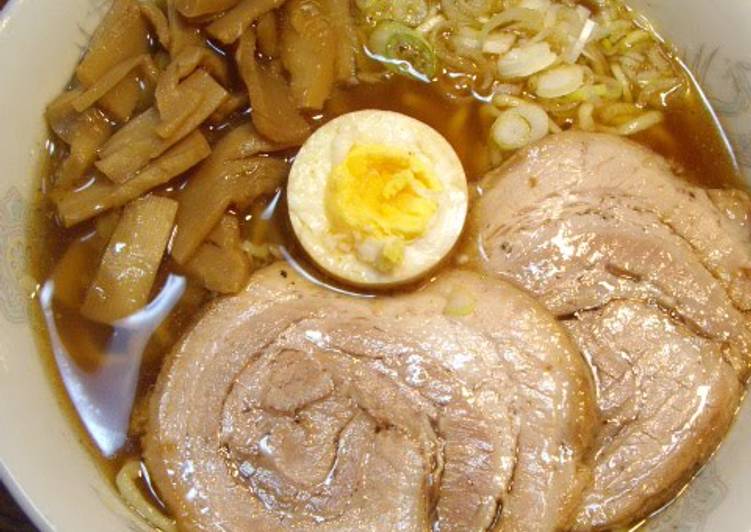
Hey everyone, welcome to our recipe site, looking for the perfect Saitama-Inspired Ramen Noodles recipe? look no further! We provide you only the perfect Saitama-Inspired Ramen Noodles recipe here. We also have wide variety of recipes to try.
Before you jump to Saitama-Inspired Ramen Noodles recipe, you may want to read this short interesting healthy tips about {Easy Ways to Get Healthy. Becoming A Healthy Eater
Healthy self esteem occurs from the environment located in thefamily, school, peer group, work place, and neighborhood. There are certain characteristics of your environment which need to be current in order for self esteem to be sabotaged and develop.
The main component of a healthy atmosphere for self respect is it should be nurturing. It ought to extend the understanding that other people are known as worthy to be cultivated, reinforced, rewarded, and ensured to.
Healthy atmosphere for self esteem absorbs messages of heat, loving, and affectionate by physical touch, meeting the survival needs of food, clothing and shelter, and giving a sense of equilibrium and order in life.
A healthy environment for self esteem should offer acceptance. It will recognize that other people see each other as worthy individuals that have a unique set of personality traits, skills, skills, and competencies which makes them special. Acceptance allows people to build relationships with other people, yet maintain healthy boundaries of individuality within themselves.
At the healthy atmosphere for self esteem ought to be good communication, everyone ought to be heard and responded to in a healthy manner so that healthy problem solving is possible. Suitable giving and receiving feedback is encouraged and rewarded.
That recognition and approval should not be based upon the condition that they must conform to a prescribed standard of behavior or behavior. This can be unhealthy. Unconditional recognition and acceptance given in the form of service allows individuals to reach their greatest potential.
The healthy environment for self regard ought to be clearly identified and enforced limits known to individuals with no hidden tricks or exploitation. Limits enable people to recognize their responsibilities and to chart their course of behaviour in a rational way.
Respect and latitude for human actions within the defined limits of their healthy environment for self regard should be present also. This encourages people to utilize their imagination, creativity, and creativity to be productive within the established structure. Restrictions that suppress identity can lead to a narrow focus, together with people becoming stunted and handicapped in the use of the personal abilities, skills, and tools.
Ultimately, healthy environment for self esteem ought to be bonding, which is the physical/emotional occurrence between people and the others in their own surroundings. This is crucial for the growth of healthy self esteem. Bonding is forming a reciprocal psychological attachment between a person and a"significant other" (parent, child, friend, lover, etc.). This entails the substantial other giving unconditional love and assistance as well as developing a psychological connection between each other.
We hope you got insight from reading it, now let’s go back to saitama-inspired ramen noodles recipe. To make saitama-inspired ramen noodles you only need 53 ingredients and 30 steps. Here is how you do that.
The ingredients needed to make Saitama-Inspired Ramen Noodles:
- Use The soup
- Prepare 2 bones Pork on the bone
- Get 1 Pig feet
- Prepare 1 bird Chicken carcass
- Prepare 1 3/10 kg Pork belly roast (for making char siu)
- Take 1/2 of each Onions, carrots, potatoes
- Prepare 1/8 Cabbage
- Use 2 The green portion of Japanese leeks
- You need 2 small Figs
- You need 3 pieces Ginger
- Provide 1 whole Garlic
- Get 1 Chili pepper
- Provide Japanese-style soup base
- You need 2 1/2 liter ○Water
- Take 6 sheets ○ Kombu (about 10 cm)
- Use 50 grams ○Dried sardines
- Use 2 ○Dried shiitake mushrooms
- Get 1 bunch Assorted thickly cut bonito flakes
- Prepare Chashu Sauce
- Provide 1000 ml Water
- Take 500 ml Soy sauce
- Prepare 200 ml Sake
- Prepare 50 ml Mirin
- Take 110 grams Sugar
- Use 2 cloves/pieces of each Ginger, garlic
- Take 2 ※Chicken breast meat, if preferred
- Get Soy Sauce Dressing
- Prepare 300 ml The broth from ○
- Take 1 piece of each The konbu and dried shiitake mushrooms from ○
- You need 100 ml Sake
- Prepare 1 tbsp Mirin
- Use 30 grams Dried sardines
- Take 80 grams Assorted thickly cut bonito flakes
- You need 500 ml Soy sauce
- Use 1 tbsp Salt
- Take 10 grams Bonito flakes
- Use 150 ml Char siu broth
- Get Noodles
- Use 1 kg Bread (strong) flour
- Prepare 500 grams Cake flour
- Take 23 grams Salt
- Get 580 grams Eggs (11~12 if using medium)
- Prepare 90 grams Butter
- You need Menma
- Provide 1 kg Boiled bamboo shoots
- Provide 2 tbsp Sesame oil
- You need 1 Red chili pepper
- Take 4 tbsp Mirin
- Take 2 tbsp Sake
- Provide 6 tbsp Soy sauce dressing
- Provide 4 tbsp Char siu broth
- You need Others
- Get 1 Seasoned eggs, Japanese leeks, nori seaweed, etc.
Steps to make Saitama-Inspired Ramen Noodles:
- Ingredient Introduction: These are the kombu seaweed sheets and assorted fish flakes that I use. I bought them at the supermarket I work at.
- I also bought this at work. 400 yen is cheap for 1 kg!
- This ramen takes 2 days to complete. Let's start making it the day before you want to eat.
- Preparations: Mix the ○ Japanese-style base together. Let it sit overnight. (Place into the fridge in summer).
- Preparation: Wash off the blood from the pork and chicken bones in running water, and break the pork bones in half at the joint.
- Preparation: Hold the pigs feet with a pair of tongs, burn the hairs over gas flame, and wash well with water.
- Preparation: Roll the meat up from the thick end, and tightly tie with kitchen twine. Roll the ※ breast meat in the same manner.
- Preparation: Wash the vegetables, and cut into approximate sizes. Caution: Do not remove the skins.
- Make the soup: Place the pork bones into a 7~10 liter pot with lots of water, and boil over strong heat. Skim off the scum.
- Add chicken bones, pork belly, and pigs feet once there is no more scum, and continue boiling over medium heat while continuing to remove the scum.
- Add everything from the onions to the red peppers, boil for 2 hours, and turn off the heat.
- Char siu: Remove the pork belly out of the soup, and boil together with the breast meat for 2 hours in the cha siu sauce. See ID: 911531 for details.
- Making the noodle dough: Refer to, and chill in the fridge overnight. - - https://cookpad.com/us/recipes/155377-soy-sauce-broth-ramen
- Day 2 starts from this point onwards. First, turn the heat onto the soup pot.
- Making the Soy Sauce Dressing: Set aside the amount indicated into a pot from Step 4 that was left to sit overnight in the fridge, and make the soy sauce dressing while referring to. - - https://cookpad.com/us/recipes/155377-soy-sauce-broth-ramen
- Make the soup: After bringing to a boil, leave in the pork bones, pigs feet and chicken bones, and remove the mushy vegetables from the soup.
- Add the Japanese-style base mixture (all of the broth, konbu seaweed and shiitake mushrooms) from Step 4 into the soup, and boil over a low heat for 2 hours. The soup is now done.
- Making the Noodles: Usingas a reference, divide the dough into 10 equal portions. Make the noodles in a pasta machine 1.7~2 mm thick, and 2 mm wide. Chill in the fridge. - - https://cookpad.com/us/recipes/155377-soy-sauce-broth-ramen
- Making the bamboo shoots: Bring water to a boil in a frying pan, quickly boil the boiled bamboo shoots in water, and strain.
- Lightly saute the bamboo shoots and red pepper in a frying pan heated with sesame oil, add the flavoring, and saute until there are about 2 tablespoons of broth remaining. Transfer to a bowl and place into the fridge.
- Finishing steps: Decide on the combination of soup and soy sauce dressing. Use roughly 360~400 ml of soup: 35~50 ml of soy sauce dressing. Adjust to suite your tastes.
- Cut the well-chilled chashu into your desired thickness. Thinly cut the Japanese leek. Please refer tofor the marinated eggs. - - https://cookpad.com/us/recipes/155377-soy-sauce-broth-ramen
- Finishing Touch: Add hot water to a bowl to warm it up. Boil lots of water in a large pot, and boil the noodles for 4-5 minutes.
- Heat the bowl while the noodles are boiling, add the soy sauce dressing, and soup while using a sieve to strain. Add the thinly sliced noodles, top with the ingredients, and it is done!
- To put it simply, these noodles have the opposite texture of being chewy. They are more springy with a toothsome texture.
- Extra 1: Throwing out the soy sauce and soup broth is wasteful! So, use it to make tsukudani that goes well with rice.
- Cut the konb seaweed into thin strips, and shred the rest in a food processor.
- Saute together with 3 tablespoons each of sake and sugar and 1 tablespoon of mirin until the broth evaporates, add 1~2 tablespoons of white sesame for the finishing touch, and it is done.
- Place into a Tupperware container, and store in the fridge. This tastes the best mixed with rice.
- Extra 2: If you have a dog or cat at home, mixing the vegetables (aside from the onions and leeks) with a bit of the chicken bone and meat etc. into their food will make them really happy.
Ramen noodles in its simplest form is Chinese wheat noodles in soup broth. Although introduced originally from China, Japan has created an entire cult-like obsession making ramen anything but simple. How does instant noodles developed by Michelin-starred ramen restaurants sound? At its original store in Tokyo, you'll have to queue for at least an hour. A wide variety of korean ramen noodles options are available to you, such as style.
If you find this Saitama-Inspired Ramen Noodles recipe useful please share it to your good friends or family, thank you and good luck.